Flavor doesn’t start behind the bar, it starts at the source. That idea formed the foundation of a recent inspiration trip that brought together bartenders and growers to explore how ingredients shape the way we build drinks. At the heart of Suntory Roku Gin lies the principle of shun, the belief that botanicals should be harvested and used at the exact moment they reach their peak expression, capturing flavor in its most precise and balanced form. In a very different environment, yet guided by a remarkably similar philosophy, Koppert Cress applies that same level of control and intent to the cultivation of micro-herbs and botanicals, using advanced growing techniques to ensure consistency, intensity, and integrity. Bringing these worlds together set the stage for a day that wasn’t just about tasting, but about understanding, connecting the journey from seed to spirit and exploring how seasonality, craftsmanship, and ingredient-driven thinking continue to shape the future of cocktails.
It starts, as many good industry days do, at Rotterdam Central Station. Early, but not too early. Coffee in hand, a bus waiting, and around fifty bartenders slowly filtering in, familiar faces, new ones, the low hum of conversation building as sandwiches are passed around and the day begins to take shape. This wasn’t just another brand trip. Organized by Cooper & Barrel in collaboration with De Kuyper, the force behind distributing the Suntory portfolio in the Netherlands, the destination hinted at something deeper than a simple tasting. The bus pulled out. Direction: Westland.
Enter Koppert Cress: where botanicals begin
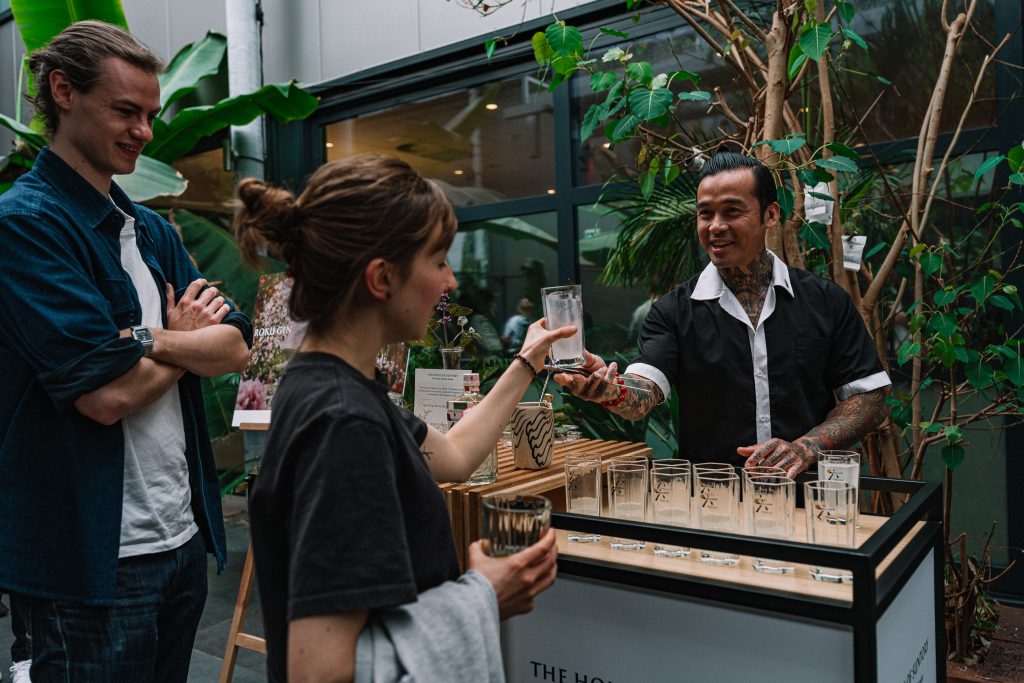
Tucked into the greenhouse heartland of Monster lies Koppert Cress, known in kitchens around the world, but perhaps less so behind the bar. Here, flavor doesn’t start in a bottle, but in seed, substrate, light, and time. The welcome is immediate, and liquid. Chi-ho Ta sets the tone with fresh, vibrant long drinks, a first hint at what happens when precision-grown botanicals meet a bartender’s hand. Then the group splits.
Walking the lifecycle of flavor
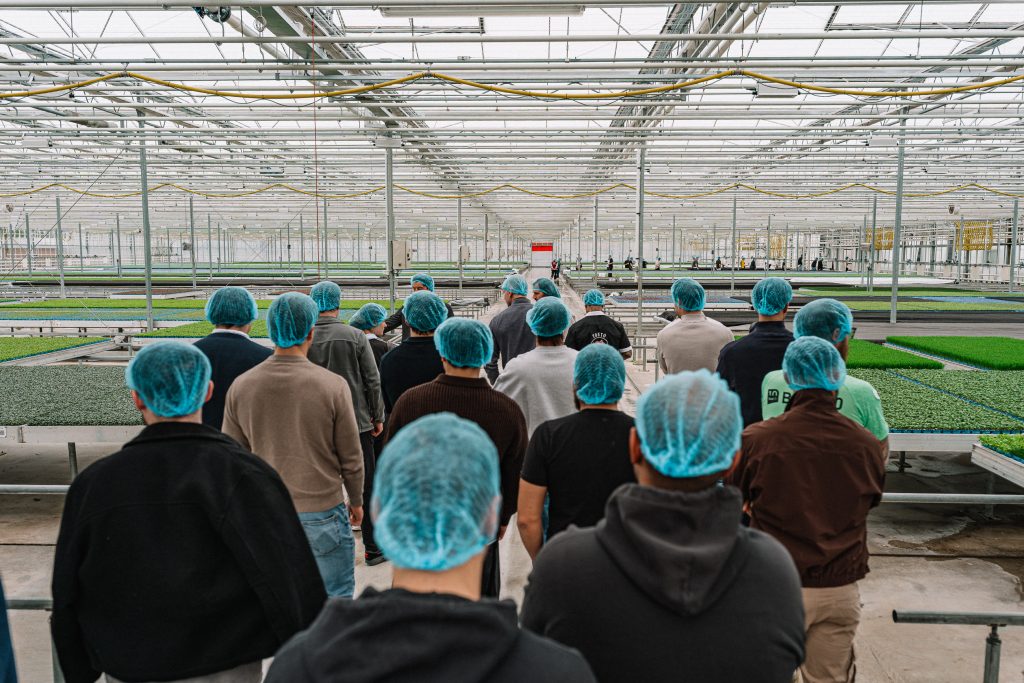
Inside the greenhouse complex, scale hits first. It’s vast. Industrial, but alive. The journey begins at the very start: small blue containers where seeds are sprouted on carefully engineered substrates. From here, the cresses move through a controlled ecosystem, light, humidity, temperature, each variable dialed in to shape flavor, texture, and aroma. The heat of the main greenhouse is almost tropical. Step a few minutes further, and you’re in the cooling facilities: rows of fully grown cresses stored vertically, crisp, precise, ready for dispatch to some of the world’s best kitchens, and increasingly, bars. What becomes clear is that this is not just agriculture. It’s controlled flavor design. Koppert Cress has also positioned itself at the forefront of sustainable horticulture, working with closed-loop water systems, energy-efficient climate control, and ongoing efforts toward CO₂-neutral production. It’s a reminder that the future of flavor isn’t just about intensity, but responsibility.
The edible jungle: tasting at the source
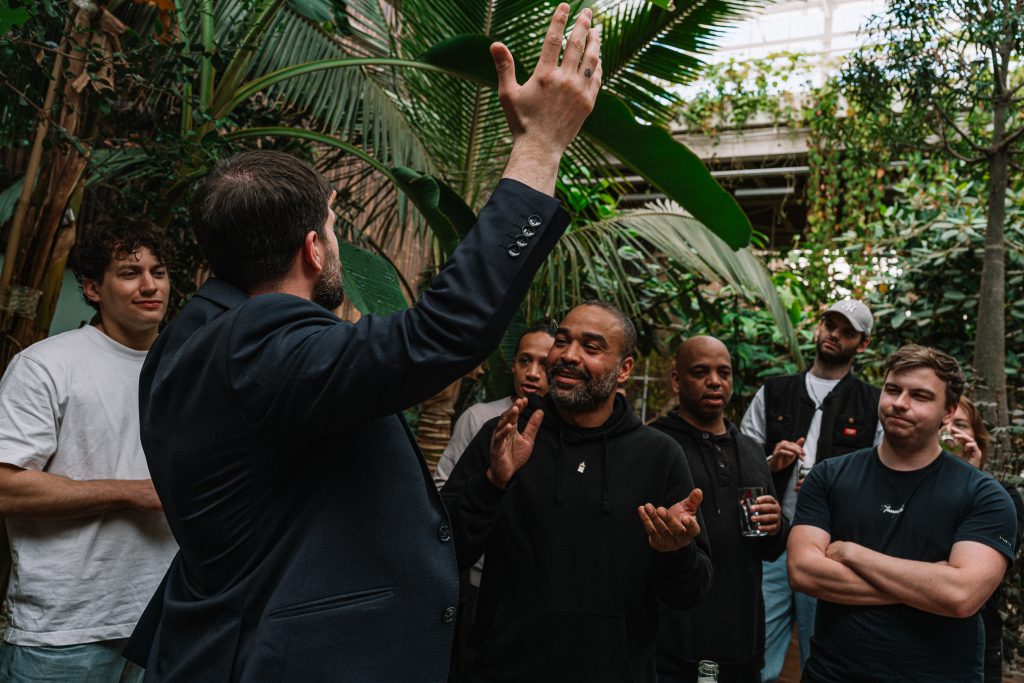
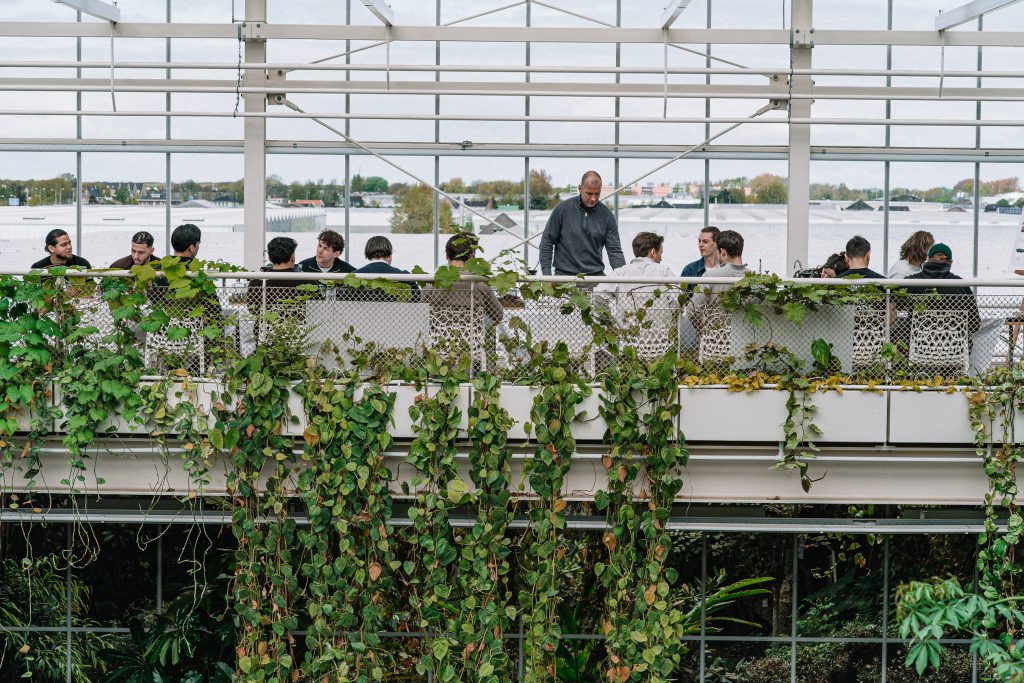
If the earlier stages are about process, the edible jungle is about instinct. A lush, almost surreal greenhouse where dozens of cresses, herbs, and botanicals grow side by side, this is where bartenders turn into tasters. Leaves are picked, crushed, eaten. Flavors range from citrusy brightness to deep umami, from wasabi-like heat to delicate floral notes. It’s here that the connection clicks: these aren’t garnishes. They’re ingredients.
Suntory Roku Gin: six botanicals, one philosophy
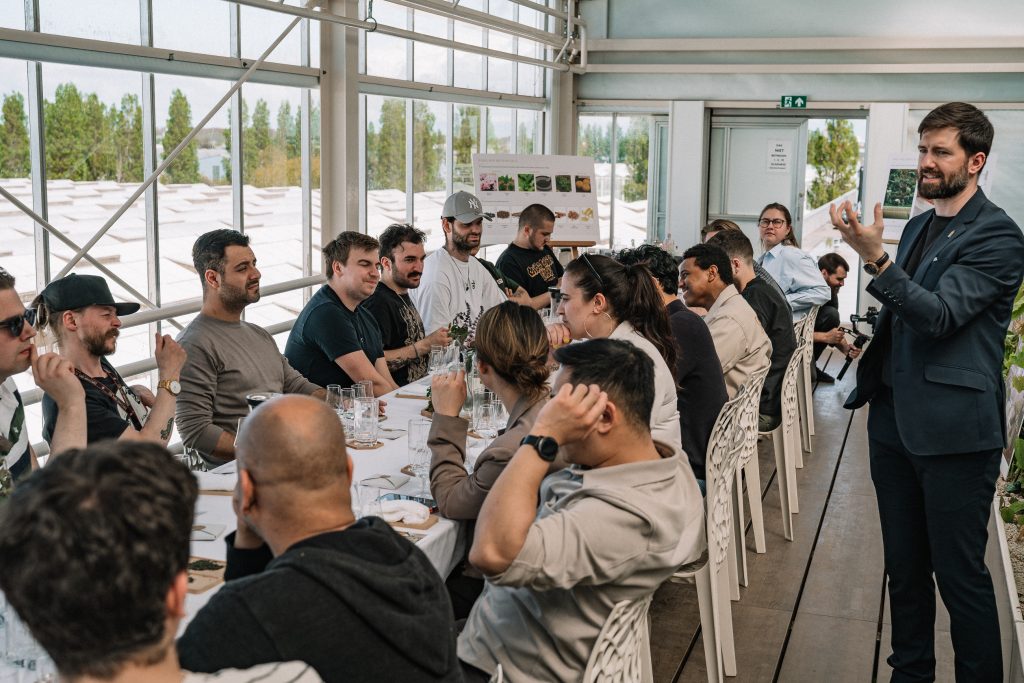
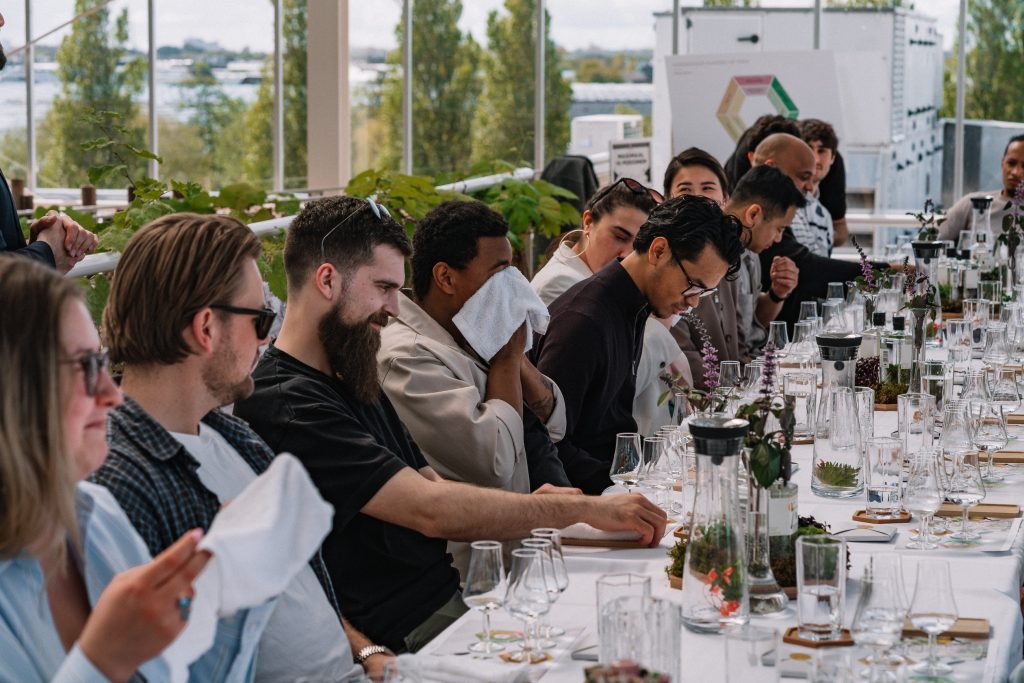
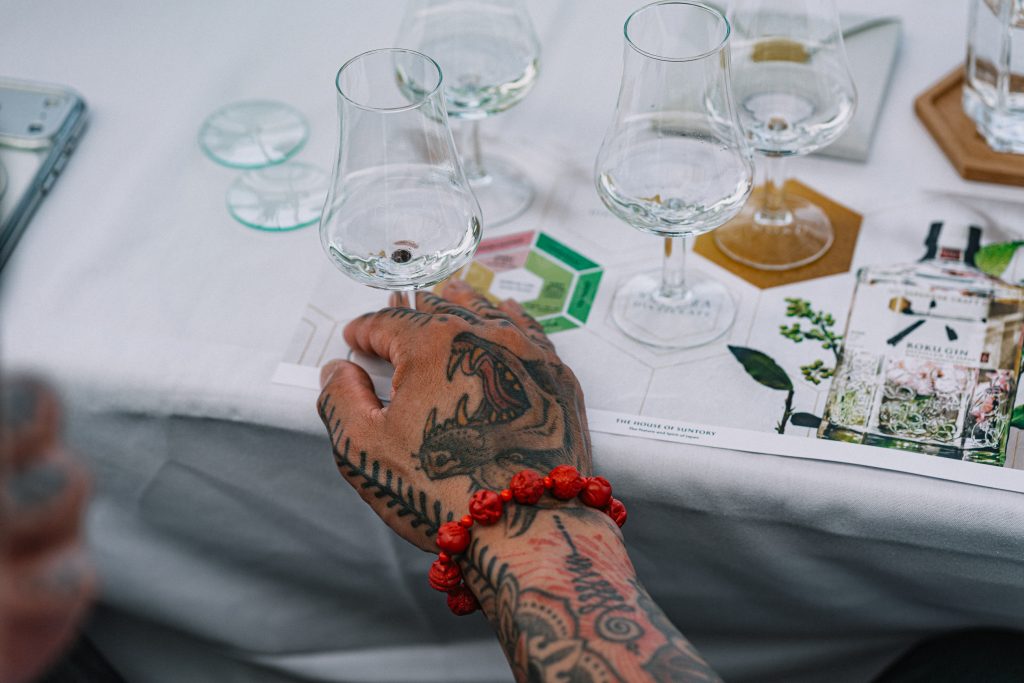
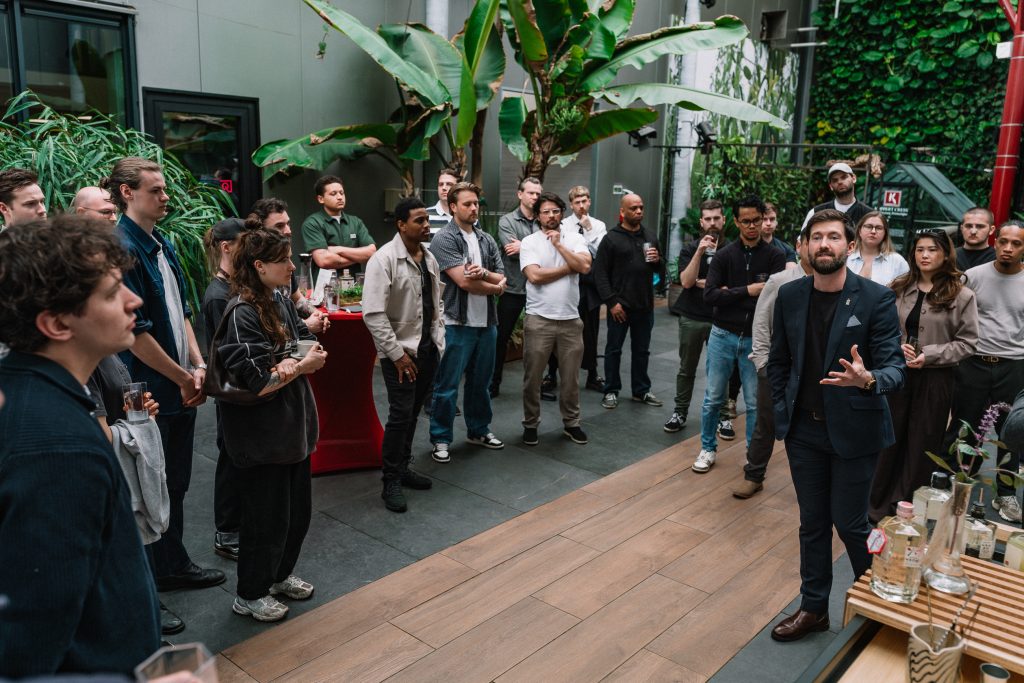
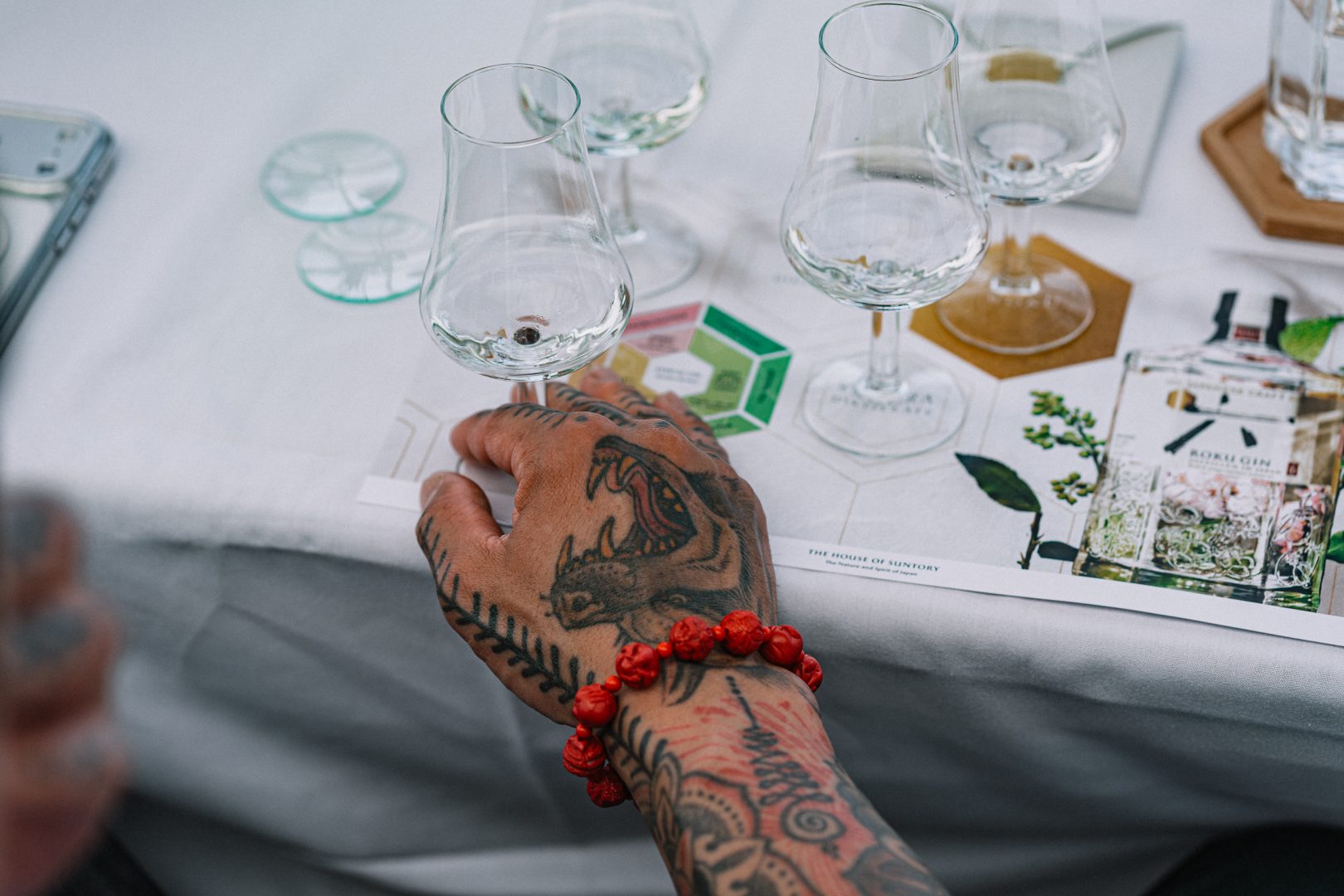
Set within the greenhouse, a tasting session brings things back to the glass. Led by brand ambassador Lyndon Hachey, the group is guided through a deconstructed exploration of Suntory Roku Gin, a spirit built around balance, seasonality, and precision, and shaped by the founding pillars of the House of Suntory: Wa, Monozukuri, and Omotenashi. These principles move beyond philosophy and become tangible throughout the session. Wa, the idea of living and working in harmony with nature, is reflected in the way each botanical is sourced at its seasonal peak, but also echoed in the setting itself, surrounded by living ingredients at Koppert Cress. Monozukuri, often translated as craftsmanship, speaks to a deeper dedication to process and detail, visible in the separate distillation of each botanical and mirrored in the precision growing techniques used in the greenhouse. And Omotenashi, the spirit of thoughtful, anticipatory hospitality, comes through in the way the tasting is presented, carefully guided, intuitive, and designed to create a seamless and meaningful experience for every participant.
“Roku” translates to “six” in Japanese, referring to the six signature botanicals that define the gin:
Sakura flower
Sakura leaf
Sencha tea
Gyokuro tea
Yuzu peel
Sansho pepper
Each is harvested at its seasonal peak in Japan and distilled separately before being blended, a process that reflects shun, where ingredients are used at their absolute best moment. During the session, two distillates, yuzu and sakura, are tasted in isolation. Stripped of context, they reveal just how precise and layered these components are. Reassembled into the final gin, the balance becomes the point, showcasing how this is all about harmony.
From kitchen to bar: the cocktail box
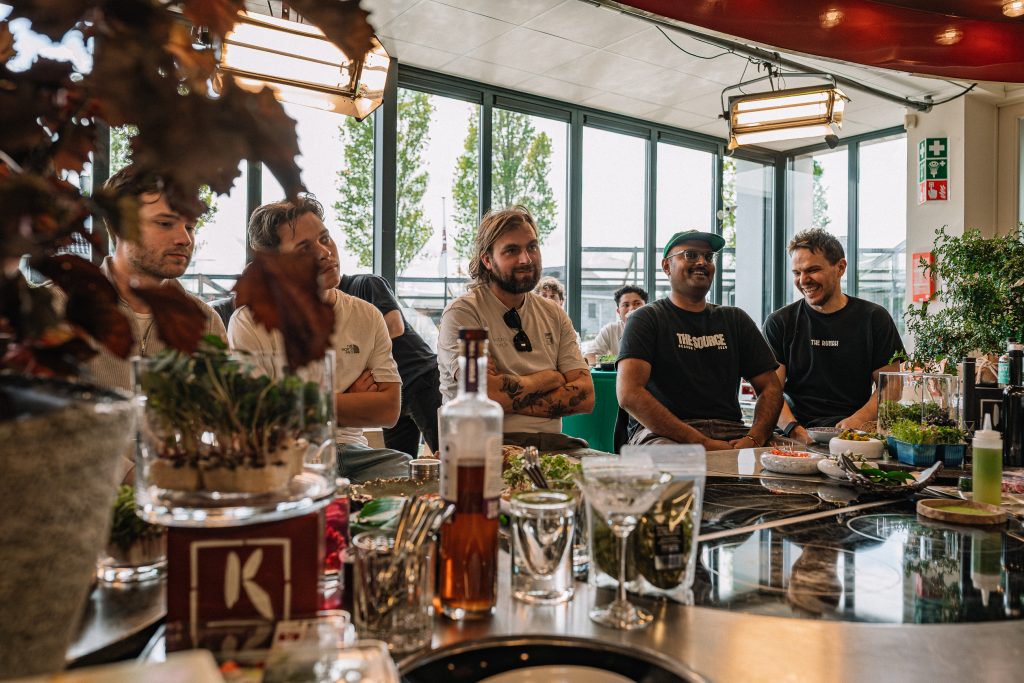
Back inside, the focus shifts from philosophy to application. In the Koppert Cress kitchen, a newly developed cocktail box is introduced, built around a curated selection of cresses specifically chosen for their mixability. While traditionally associated with fine dining, these micro-herbs are now being reframed as tools for bartenders: flavor accents, aromatic lifts, structural components in drinks. Think peppery notes to sharpen a highball, citrus cresses to replace or amplify peel, or umami-driven greens to add depth to stirred drinks. It’s a subtle shift, but an important one: moving botanicals from garnish to foundation.
Layering flavor: a bartender’s perspective
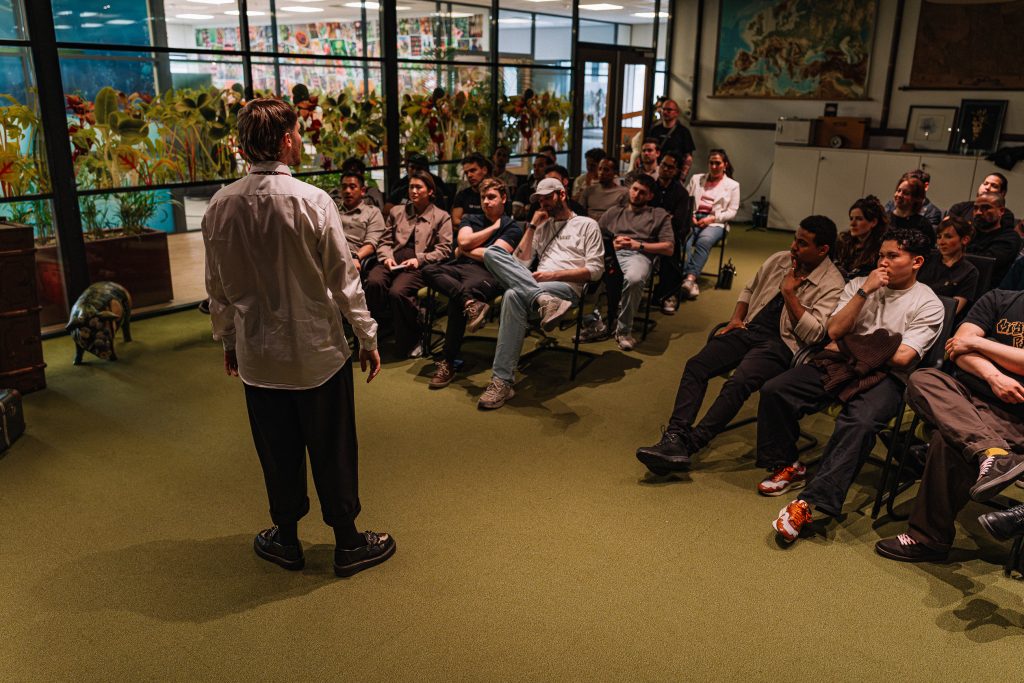
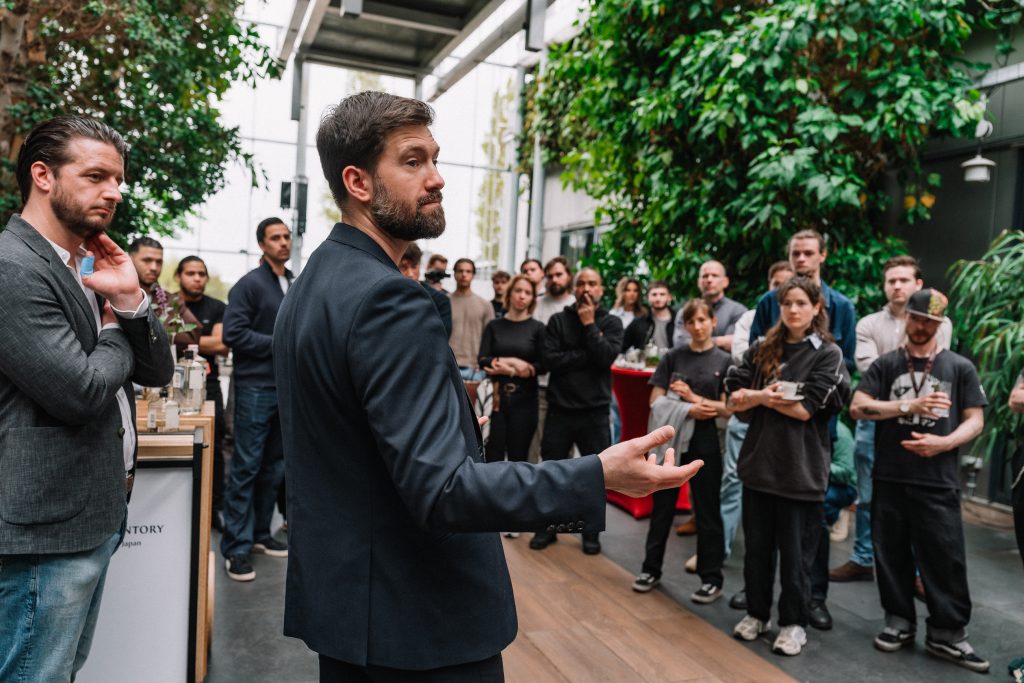
To bring it all together, Martin Eisma, beverage manager at Sins of Sal and Salmuera, takes the stage with a presentation focused not on recipes, but on structure and flavor building. Approaching cocktails as layered compositions rather than isolated combinations of ingredients, Eisma explains how every drink starts with a strong foundation, the base spirit, from which each next component should either support, amplify, or contrast the flavors already present. Drawing from his own work, he breaks cocktails down into elements such as base, modifier, accent, aroma, and texture, emphasizing the importance of progression and how a drink evolves from first sip to finish. Within that framework, the products from Koppert Cress become far more than visual garnishes. Instead, they function as precise flavor tools that can shape a cocktail in multiple ways, through aroma, infusion, dilution, or texture. Cresses can be infused directly into spirits, blended with water before filtering, or used to isolate and intensify highly specific flavor profiles. Unlike seasonal herbs that fluctuate throughout the year, cresses offer remarkable consistency while often delivering more concentrated flavors than traditional botanicals. For Eisma, that changes the role garnish plays behind the bar entirely. Rather than treating edible elements as decoration, he sees them as an integral part of the cocktail itself, especially in drinks where aroma and nose define a large part of the overall experience. It’s a perspective that resonates strongly, particularly after spending the day tasting these ingredients directly at the source.
Closing where it all connects
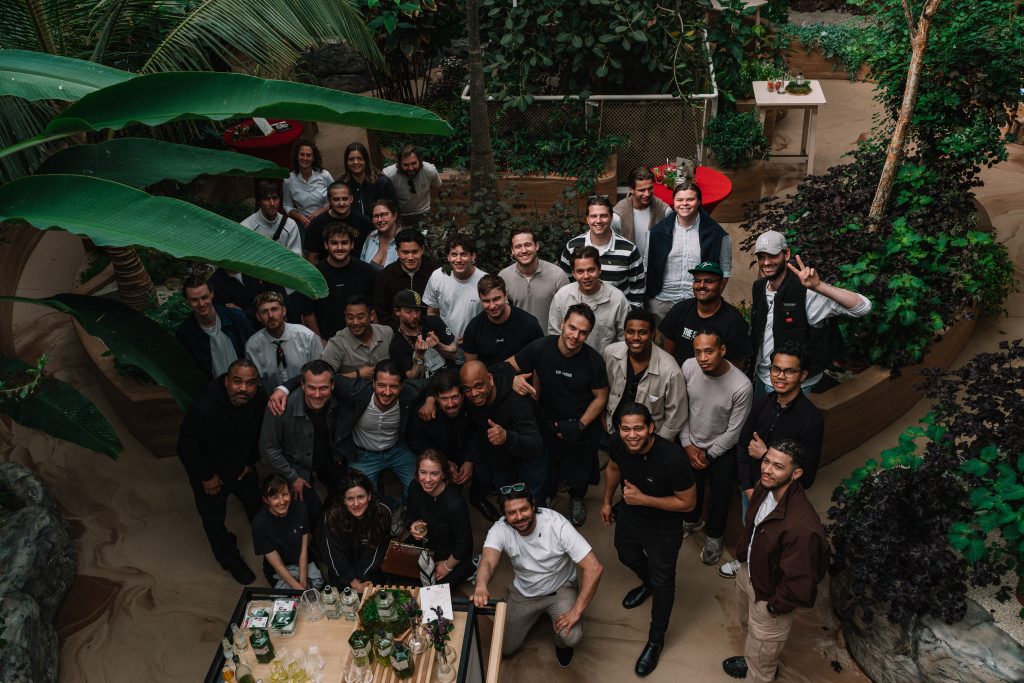
The day winds down back in the edible jungle. Drinks flow again, this time with context. Bites are passed around, each one echoing something learned earlier, about balance, about seasonality, about how flavor is built. As the bus heads back, this time toward Rotterdam, the energy is different. Less introduction, more reflection. Because what this trip ultimately offered wasn’t just insight into Suntory Roku Gin or Koppert Cress. It was a reminder that great cocktails don’t start behind the bar. They start much earlier, somewhere between a seed, a season, and the decision to treat flavor as something worth understanding.