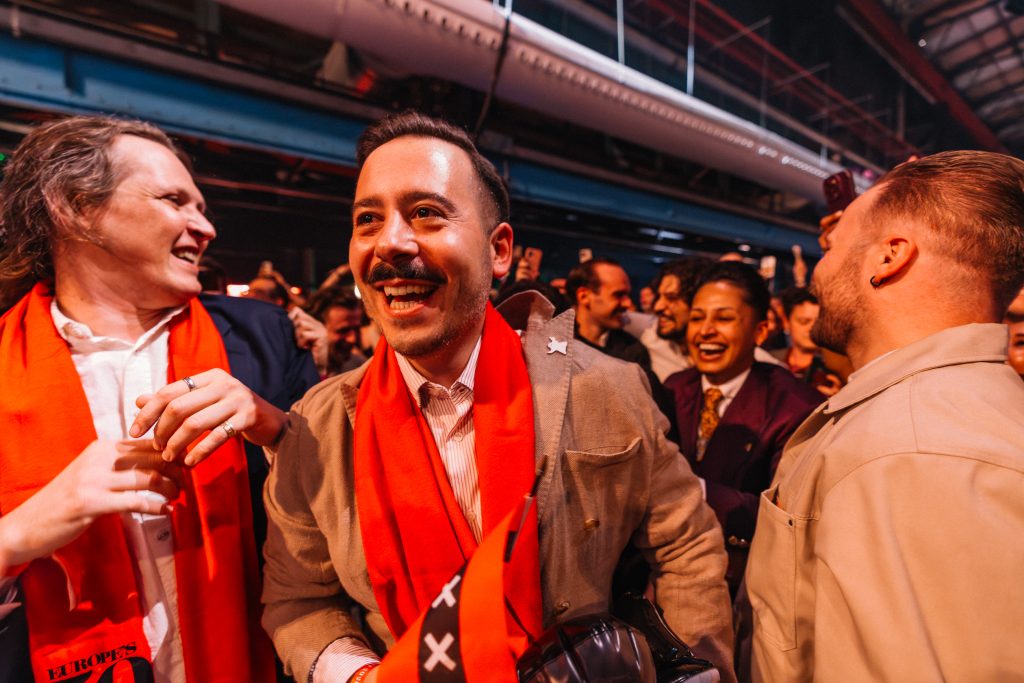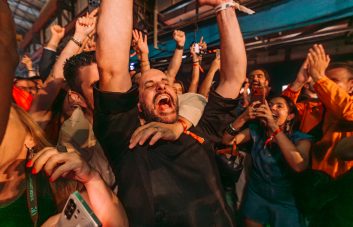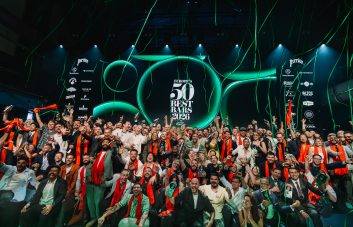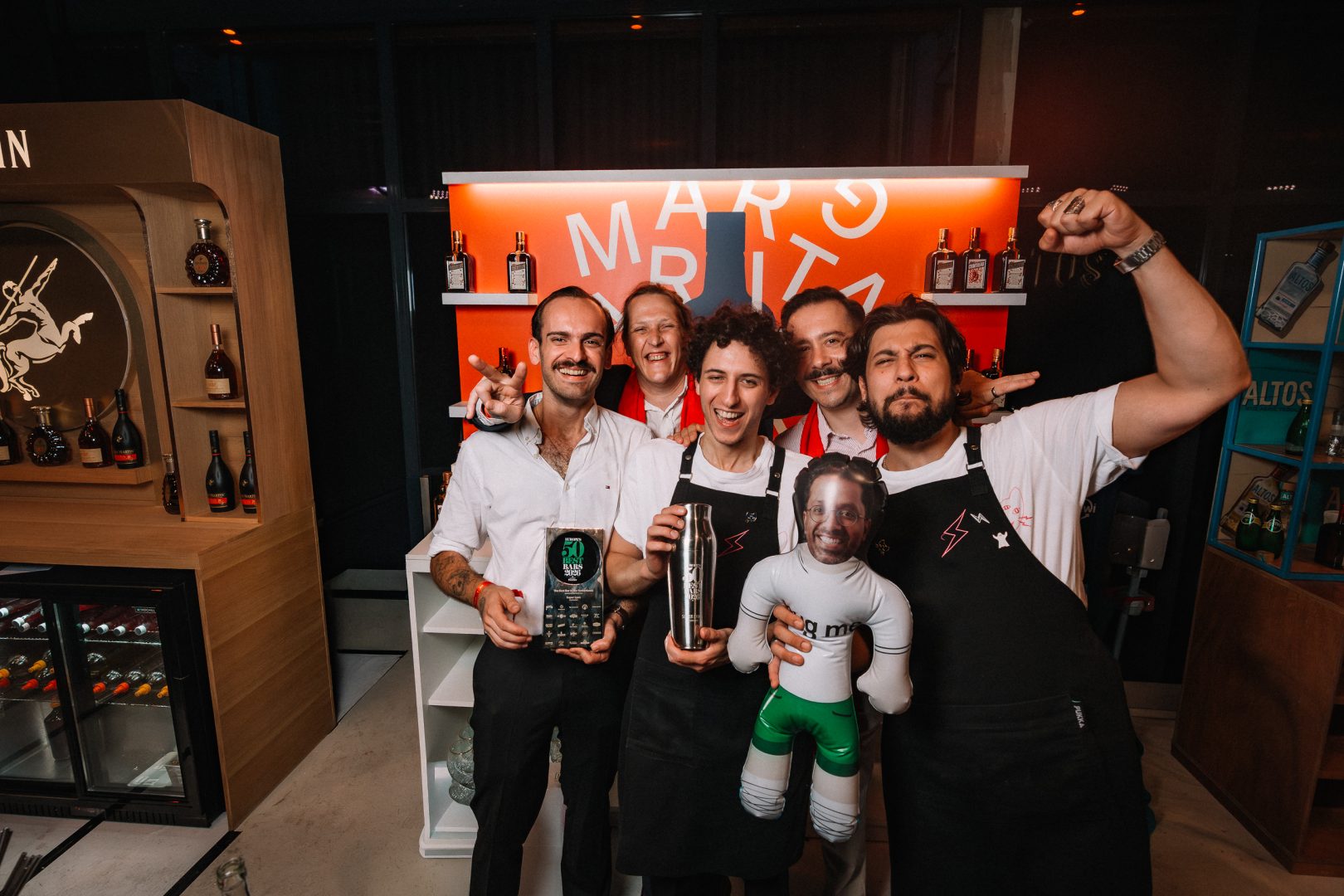
When the email landed confirming Super Lyan’s place on the inaugural Europe’s 50 Best Bars list, at No.42, Ryan Chetiyawardana read it first. John Papastylianos, Super Lyan’s bar manager and part of the leadership team, was told next. “As with all World’s 50 Best announcements, the information was highly confidential,” he says. “We took that responsibility seriously and did our best to keep the result confidential ahead of the ceremony.” That’s harder than it sounds in an industry that talks to itself constantly. Bar managers know other bar managers. Word travels. “Because information can sometimes circulate within the industry before it’s announced, it was important for us to manage that carefully,” Papastylianos says. But it held. When the number was read out at De Kromhouthal in Amsterdam on 30 June, the reaction in the room, and in Papastylianos’s phone, was real. “The news was still a genuine surprise for many people in Amsterdam’s bar community when it was officially announced during the ceremony,” he says. “Seeing everyone’s faces and reading the messages I received throughout the evening made me incredibly proud. It showed that this recognition wasn’t just for the bar, but for everyone who has contributed to Super Lyan over the past seven years.”
That’s the sentence worth sitting with, because it points at what this piece is actually about. Ask Super Lyan what got them onto the list, and the answer isn’t a cocktail. It’s a team.
Words & photos by Albert van Beeck Calkoen
What 18 months of consistency actually looks like
Europe’s 50 Best Bars, like its sibling lists, only counts votes from people who’ve visited a bar within the past 18 months. That window forces a question most ranking coverage skips: what was actually different at Super Lyan over that specific stretch of time, versus what the bar assumed voters would respond to? Papastylianos’s answer isn’t about a menu. It’s about who was standing behind the bar. “Most likely, it comes down to the fact that over the last 18 months we have had one of the most consistent teams we’ve ever had,” he says. “That stability gave us the confidence and strength to build the experience at Super Lyan in a more structured and sustainable way.”
Team continuity doesn’t photograph well and it doesn’t fit in a tasting note, but Papastylianos argues it’s the actual engine behind everything guests experience. “It also allowed us to develop our cocktail menus more effectively, because people were involved from the very beginning of the process all the way through to execution. Here at Super Lyan, that doesn’t start a few weeks before a menu change but takes months and months of time.” Pushed on what one unglamorous, invisible habit mattered more than any single drink, he doesn’t reach for something clever. “In two words: accuracy and consistency,” he says. “For us that means making sure every drink leaving the bar is delivered exactly as it should be, maintaining consistency in the products, and working together as a team to keep our standard high.” The rest, he says, is showing up. “Delivering great hospitality every day, greeting guests with a smile, and maintaining the playful Super Lyan energy throughout the entire room.”
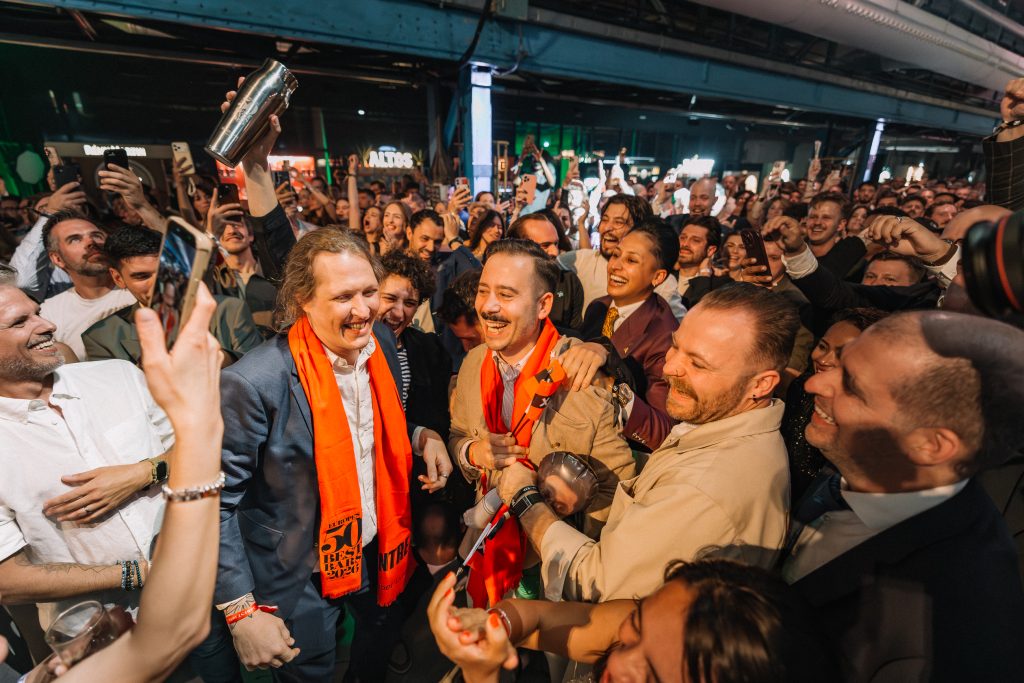
Built local, inside a global name
Super Lyan carries real weight by association. It’s the Amsterdam outpost of Ryan Chetiyawardana’s Lyan family, sitting alongside London reference points like Dandelyan and Lyaness in the same lineage. That inheritance is an asset and a question mark in equal measure: how much of what got Super Lyan to No.42 came from the playbook, and how much had to be built from nothing, locally, without a template to follow? “Being part of the wider Lyan family gives us access to systems, operational knowledge, and experience from high-volume bars,” Papastylianos says. “At the same time, Super Lyan was the first international venue within the Lyan family, which meant the Amsterdam team carried a great deal of responsibility from the very beginning.” That responsibility shows up most clearly in how the bar treats its own city. Super Lyan’s recurring menu format takes Amsterdam itself as raw material, translating the city’s history, its neighbourhoods and its local figures into drinks, and that’s not something London could have handed over ready-made. “Translating pivotal moments in Amsterdam’s history, local heroes, and currently the city’s boroughs into drinks on our signature menus asks a lot of creativity and input from the local team,” he says. Seven years in, the balance of authorship has shifted decisively toward Amsterdam. “Today, the Amsterdam team is fully responsible for developing menus and making decisions about the guest experience. There are guidelines and support from the London team, but the majority of the work happens locally.” As Papastylianos puts it, the bar has grown “its own identity within the brand family, within Amsterdam, and within the wider European bar industry.”
No dramatic disagreements, just a lot of listening
Ask most bar managers where the friction was on the way to a result like this, and you’ll usually get a diplomatic non-answer. Papastylianos’s version is close to that, but with a specific claim underneath it worth taking seriously: that Super Lyan’s changes over seven years have never been imposed from the top down. “I wouldn’t say disagreement, but like every bar or restaurant, you have to cope with change, and for us this also means staying true to the Super Lyan spirit,” he says. “A strong organisation, whether that’s a bar or not, listens to its team rather than working against it.” He’s specific about where the pressure not to change came from, and where it didn’t: “The principles of the Lyan company remain the same, particularly around hospitality, but details can change every day as we continue to improve. There was never a situation where a major decision was imposed on people against their wishes.”
The mindset shift that came from a hotel bar’s own guests
The most concrete example of the team adapting came from an unglamorous source: confusion. Super Lyan operates inside Kimpton De Witt Hotel, and for a meaningful share of walk-ins, that location is the whole story, they have no idea what the bar actually is before they sit down. “Because we are located within a hotel, many people walk into the bar without knowing what Super Lyan actually is,” Papastylianos says. “They may not know our concept, our reputation, or what we offer. Many simply assume we’re just another hotel bar.” Two years ago, that gap between reputation and perception was a real source of frustration inside the team, especially for staff who’d come from standalone bars. “That was a challenge for some team members, especially those coming from independent bars rather than hotels. We realised that we needed to change our own expectations about what guests should know before arriving.” The fix wasn’t a rebrand or a sign in the lobby, but rather a mindset shift. “Instead of expecting guests to understand us, we learned to understand them first. That was probably one of the biggest mindset shifts for many of us. Once we adopted that mindset, it made hospitality easier and better. We became more welcoming not only to hotel guests but to everyone who walks through the door.”
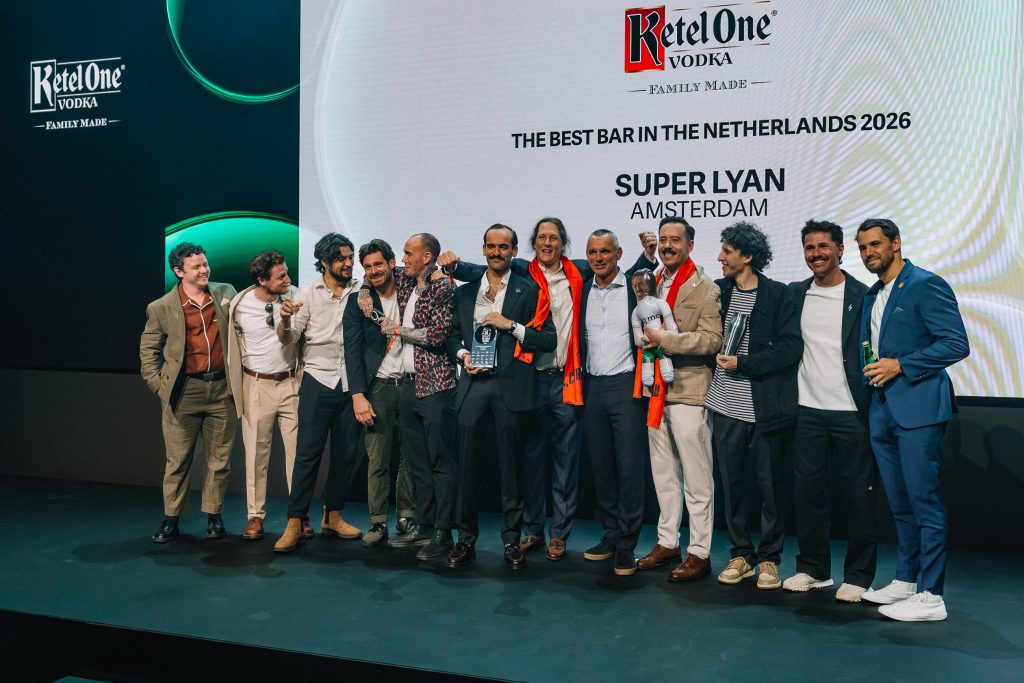
Amsterdam’s recognition drought, and why it wasn’t a talent problem
For years, Amsterdam sat on the sidelines of major international bar rankings while London, Barcelona and Paris kept collecting the attention. Papastylianos doesn’t accept the obvious explanation. “To be fair, I don’t think talent was the issue,” he says. He points instead to circumstance: the lingering effects of COVID on the local scene, and a structural disadvantage against cities that function as career magnets for hospitality professionals from abroad. “Amsterdam is also very different from cities like London, Barcelona or Paris. Those cities attract a large number of international hospitality professionals who move abroad as career destinations. At the same time, Amsterdam lost a number of talented industry figures in recent years.” He’s lived through the exodus, and now, cautiously, the return. “I’ve lived through a period where many great people left the city, so it’s exciting to now see Amsterdam building momentum again.” His read on what this ranking means for the city goes beyond his own address. “I believe Amsterdam now has many exceptional bars that deserve more international attention than they currently receive. I’m confident that in future editions of the rankings, especially given the Europe’s edition being launched now, we will see more Amsterdam bars recognised, because the quality of the local industry continues to grow.”
No plan to change, and no plan to defend the number either
Ask what happens next, whether recognition changes how Super Lyan recruits, trains, or runs the floor, and Papastylianos gives what he calls a boring answer on purpose. “Not really, no. We’re going to continue doing what brought us here in the first place.” The one thing that does shift, he says, is the weight of expectation. “What changes is the responsibility. Recognition like this raises expectations, so we have an even bigger responsibility to live up to the standards we’ve always set for ourselves.” Two weeks out from the announcement at the time of this interview, there’s no talk yet of defending the position next year. “At the moment, we’re not worried about defending the ranking. The result was announced only two weeks ago, so right now we’re simply celebrating what the team has achieved. Our focus remains exactly the same as before: continuing to improve every day and becoming the best version of ourselves.”
If it comes down to it, Papastylianos is equally at ease with either outcome. “If we’re included in the ranking again next year, that would be fantastic and a great reward for the team. If we’re not, we hope that during the past years we’ve built strong relationships with guests, regulars, local visitors and international travellers who return because they know they’ll receive the hospitality and experience that defines a Lyan bar.” Asked what he’d tell another Amsterdam bar owner chasing the same result, the answer isn’t tactical. “Every day you open the bar, you should do so with the mindset that you want to be the best bar in the world. It’s not about saying, ‘We are the best.’ It’s about arriving every day with the mentality that you need to earn that position through your actions. Give 100 percent every single day.”
That’s not a strategy. It’s a floor manager’s answer, and it’s probably the most honest thing anyone connected to this list will say all year.